
Safe-by-Design Plant Modulators
TRIBIOME project is exploring powerful new strategies to modulate microbiomes, which are the complex communities of microorganisms that are essential for the health of plants, animals, and humans. By combining beneficial microbes with plant-based extracts, TRIBIOME aims to develop solutions that can support agriculture and animal health in a safer and more sustainable way. However, how do we ensure that our solutions are not only effective but also safe?
The regulatory context
When working in regulatory affairs, a single product does not always fit neatly into one category. In the case of TRIBIOME products, a microbiome, or plant extract-based solution designed to protect crops could be considered a fertiliser, a plant biostimulant, or even a pesticide, and each of these categories comes with its own rules and safety requirements.
The Regulation (EU) 2019/1009 on Fertilising Products aims to improve plant nutrition and soil health. It sets strict limits for potential toxic elements (like heavy metals), organic contaminants, and pathogens. The Animal By-Products Regulation (EC) No. 1069/2009 is considered when the modulators are derived from or used in an animal context to prevent any risks associated with animal by-products. The Maximum Residue Levels (Regulation (EC) No 396/2005) needs to be considered for products that could leave traces on food crops to ensure food safety. The REACH (Regulation (EC) No 1907/2006) serves as a guideline to evaluate the raw materials and to ensure that all components are properly registered and assessed. Mapping out these regulatory pathways early, areas where data needs to be generated to support a future market authorization are being identified.
The Safe by Design Philosophy
Traditionally, safety testing is something that happens at the very end of the development process. At TRIBIOME, a different route is being taken by applying a Safe by Design (SbD) approach. Safety is brought into the design from the very beginning. This proactive approach allows TRIBIOME project to make informed choices.
This means that from the very beginning, ITENE and the rest of the consortia are asking critical questions, such as, 1) Are hazardous raw materials being used? 2) Could the production process introduce harmful contaminants? 3) What is the potential impact of the final product on non-target organisms?
Toxicological and Ecotoxicological Assessments
To understand how safe the products are, extensive experimental work is being carried out. The aim is to generate solid, reliable data that meets the expectations of European regulatory bodies.
This involves a range of toxicological and ecotoxicological studies in which standardized methods, based on OECD (Organization for Economic Co-operation and Development) guidelines are used. But what does that mean in practice?
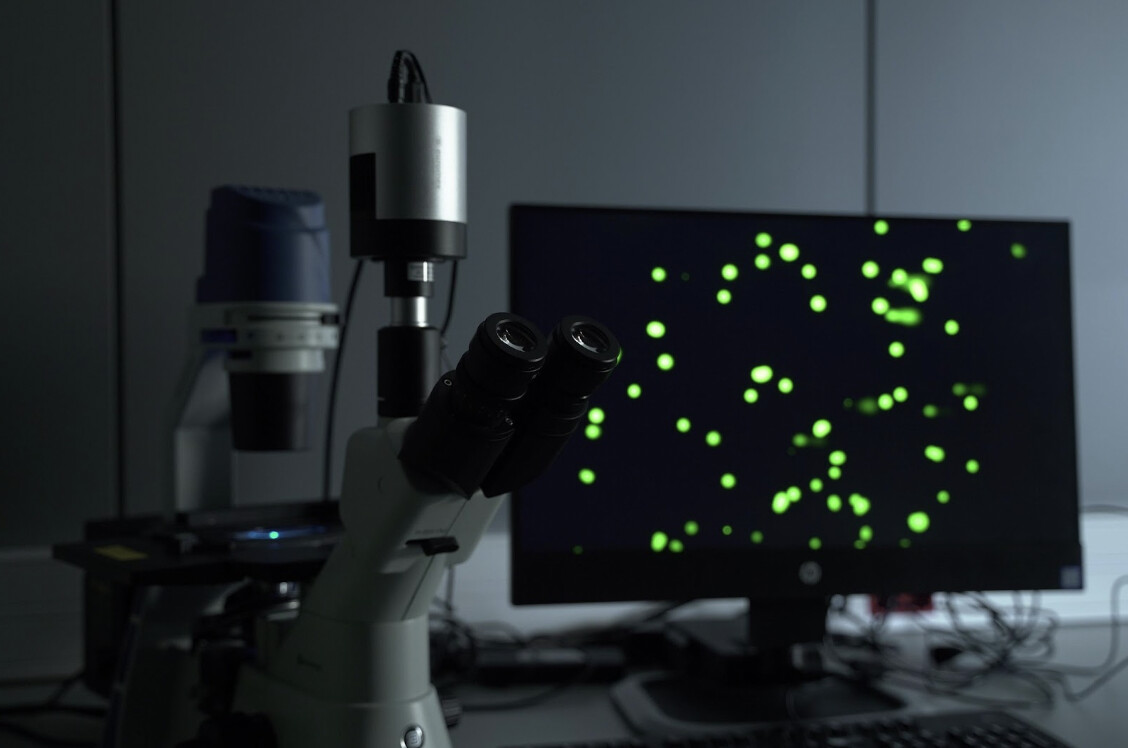
For human health, ITENE relied on in vitro studies using cell lines. These allow us to look at key safety aspects such as whether a substance affects cell viability, causes damage to DNA, triggers inflammatory responses, or leads to signs of irritation at the cellular level.
For the environment, ITENE assessed how our products might affect non-target organisms. Since these solutions are intended for agricultural use, the focus was placed in particular on aquatic and soil life. Effects on water bodies were studied, through small crustaceans and algae. Soil organisms such as earthworms were also studied, which play a crucial role in maintaining healthy soils.
Building a Framework for the Future
The work in Safe by Design is also about creating a lasting framework. ITENE is synthesizing the findings into adapted recommendations for the development of microbiome modulators. These recommendations will help guide future research and development efforts, not only within TRIBIOME but for the broader scientific community.
Figure 1: Comet Assay for genotoxicity testing
Figure 2: Algae testing according to OECD 201
Figure 3: Cytotoxicity test