Soil is a living ecosystem in which microorganisms and plants interact directly, influencing food systems, human, animal and planetary health. Taking these interactions into account when conducting research, experiments, and activities means adopting a One Health approach. Within this approach, the TRIBIOME project is testing microorganism-based modulators to improve soil vitality and support the transition to sustainable, resilient and healthy food systems and communities.
The complexity and multidimensionality of these systems, as well as the need to strengthen our knowledge on the microbiome and expand experimentation within the One Health approach, make it necessary to build collective knowledge, promote knowledge exchange and peer-to-peer learning among different actors to co-create microbiome-based solutions for more sustainable agriculture.
The creation of a multi-stakeholder network involving farmers, local communities, researchers and policy makers to exchange knowledge on microorganisms is essential for scaling out and up their testing and use.
In this context and as part of the TRIBIOME Project, RSR team, through its expertise in Participatory Action Research (PAR)1, is developing a Decision Support Network (DSN). The DSN aims to promote multi-stakeholder and cross-sectoral cooperation in the field of microbiomes at the national and European level, as well as to foster knowledge exchange, support the replicability of good practices, and provide empirical and scientific information.
The DSN works in alignment with European strategies and frameworks (such as Farm to Fork or Food2030), integrating and systemizing multiple approaches implemented across countries:
- Living Labs: open-innovation ecosystems that test and validate solutions directly in the field
- Communities of Practice (CoP): collaborative learning groups based on peer-to-peer exchange of experiences and knowledge
- AKIS (Agricultural Knowledge and Innovation System): a network of actors that fosters knowledge circulation and the adoption of sustainable innovations.
DSN supporting the development of transdisciplinary knowledge on microorganisms
The DSN will serve as a vehicle for collective learning and knowledge sharing, following the approach of participatory action research. It links three dimensions:
- Knowledge dimension: collects and provides data and information, integrating scientific knowledge and frugal knowledge
- Community of practice dimension: promotes collaboration between different communities of practice by facilitating the exchange and generation of shared solutions.
- Advisory Platform (Digital platform dimension): offers digital tools and spaces to share innovations, connecting communities and actors on an international scale.
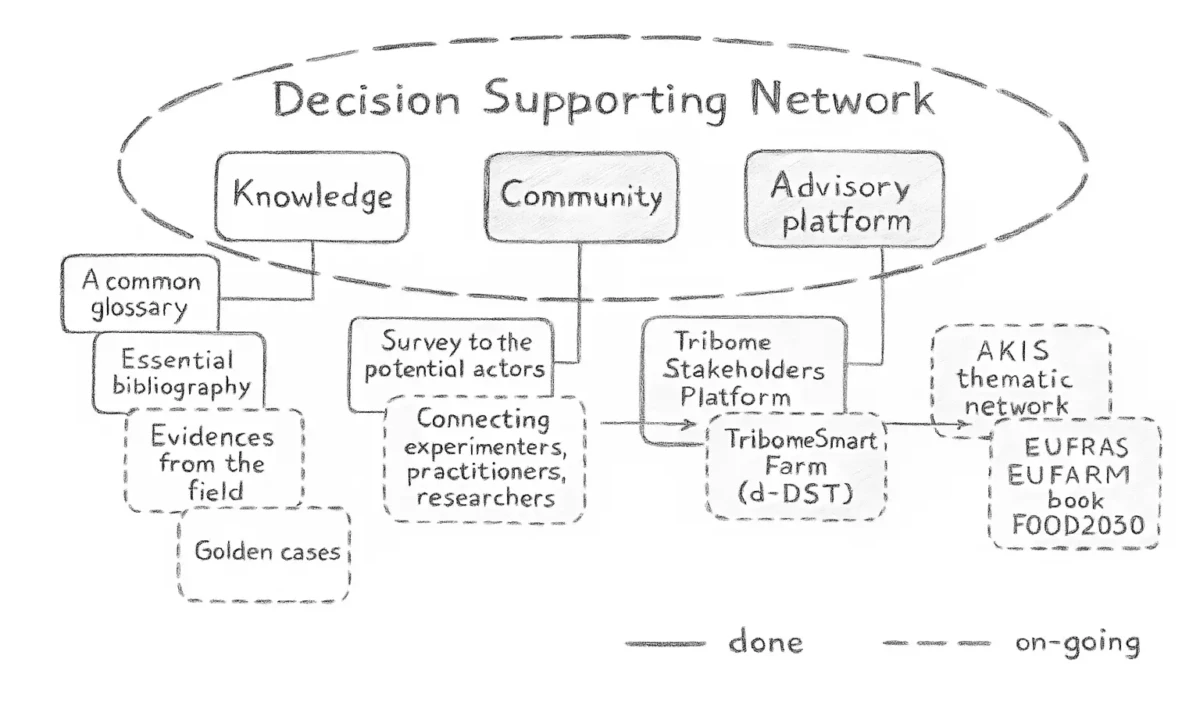
Figure 1. Decision Support Network structure
Building a community of practices around the Tribiome project
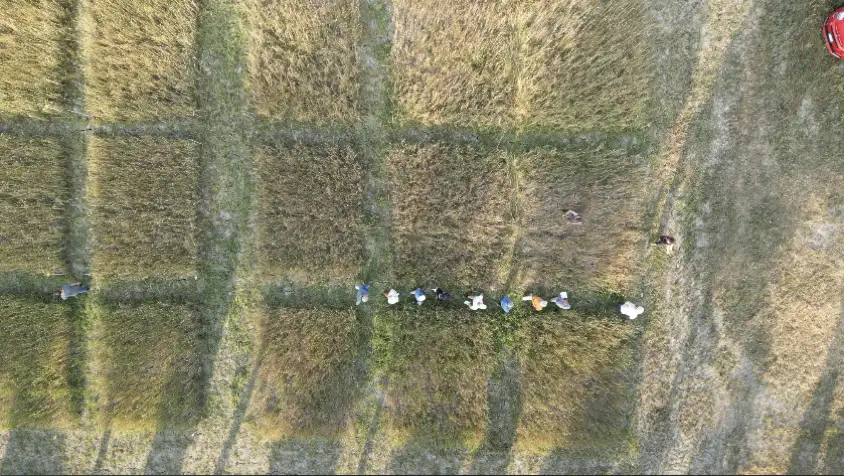
As part of the TRIBIOME project, RSR tested two microorganism-based modulators on 24 plots of soft and durum wheat on two farms in Tuscany and Sicily. The process of testing these innovations, from sowing to harvest, was carried out with the involvement of farmers, supply chain actors and local community, in order to disseminate TRIBIOME’s activities and results and build knowledge. A participatory assessment of plots treated with microorganism-based modulators was carried out before the wheat harvest in July 2025 (at the Floriddia farm in Tuscany), involving farmers, researchers, bakers, and other stakeholders interested in the effects of modulators in organic farming. This participatory approach enabled the exchange and dissemination of knowledge about modulators, stimulating growing interest in innovative approaches to soil management and encouraging the creation of horizontal information flows. It has also contributed to the consolidation of a network of farmers and a community of practice interested in experimenting and learning about microorganisms.
Connecting different communities of practice working on soil microbiomes
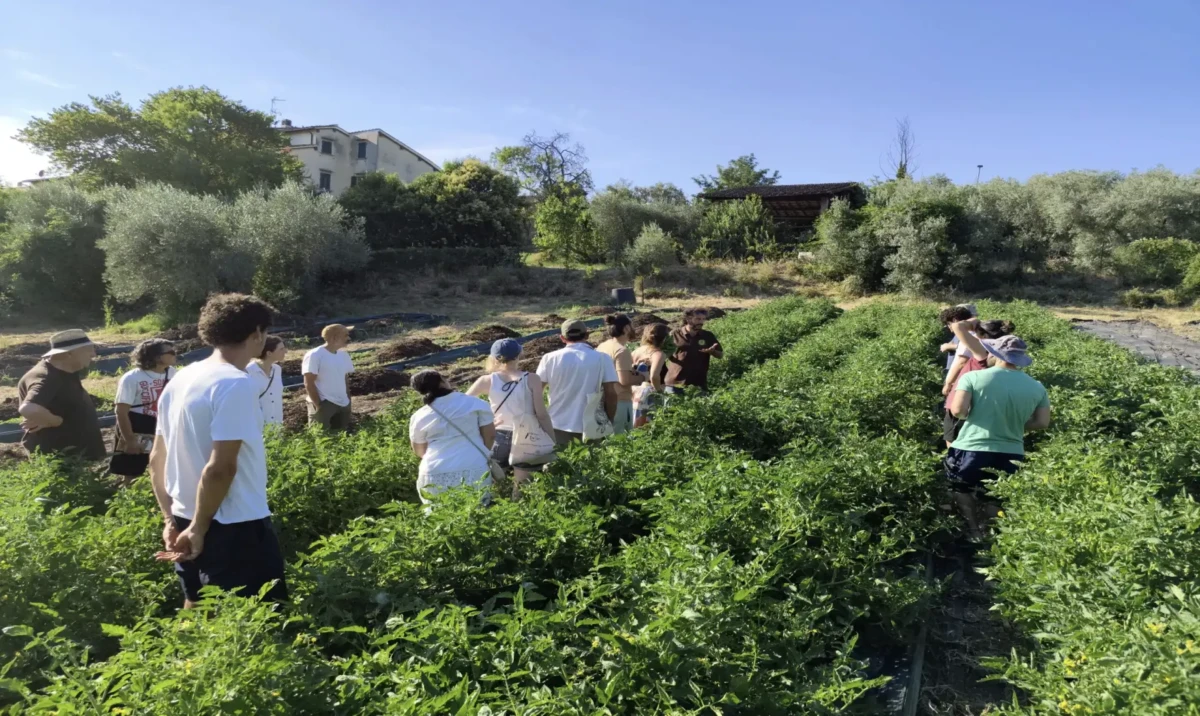
Photo 2: Participatory evaluation of tomato plots treated with Trichoderma spp. at the Ortobioattivo Farm ( Tuscany, Italy)
TRIBIOME partners are promoting DSN by connecting different communities of practice working on microorganisms. Connecting different communities of practice means promoting the sharing of experiences, knowledge and solutions, while accelerating innovation. One example is the organisation, on 30 July 2025, of a participatory observation of tomato experimental plots treated with Trichoderma spp. on a farm in Tuscany. This experiment is being carried out as part of the Brescia project. Participatory observation brought together farmers, technicians and researchers and connected the TRIBIOME community of practice with the Trichoderma community, creating a space for discussion and sharing of knowledge and empirical results, building new knowledge.
The role of digital tools in building knowledge
The Decision Support Network (DSN) operates at multiple conceptual levels, facilitating operational choices through intelligent digital tools. These tools support knowledge sharing and exchanges between communities of practice, both locally and internationally.
The Advisory Platform is fundamentally designed to empower farmers to participate in the production of innovation, which is a central element in TRIBIOME’s methodology.
As shown in Fig. 1, the Advisory platform is a digital system that facilitates decision-making in the field. It consists of two digital tools:
The first is the “TribiomeStakeholderPlatform”, which aims to facilitate contact between farmers, researchers and stakeholders for the purpose of knowledge sharing. This tool is equipped with a repository for storing relevant technical and scientific documents.
The second digital tool is ‘TribiomeSmartFarm‘: a digital decision-making support tool which guides farmers and technicians in choosing the most suitable solution for a given problem and context by acquiring several background elements. This digital tool is equipped with a feedback module that enables the decision-making algorithm to be updated based on past results.
Inspired by innovative models such as the ‘tricot’ method of citizen science (triadic comparison of technologies), this approach actively involves farmers as co-researchers in the innovation process, not just as beneficiaries. The Advisory Platform serves as a means of crowdsourcing farmers’ observations, local knowledge and feedback from the field on the performance of microbiome-based modulators. This transforms the traditional top-down transfer of knowledge into a dynamic, multidirectional flow of information. By systematically collecting and analysing this participatory data, these digital tools help to validate scientific findings with empirical evidence from diverse agricultural contexts, thereby improving the practical relevance and robustness of solutions. Therefore, the digital dimension of the DSN is not just about sharing results; it is also a key element in promoting a large-scale, inclusive and collaborative learning environment in which the skills of farmers are formally recognised and integrated, thereby accelerating the co-creation of effective agricultural innovations adapted to the local context. Secondly, this approach improves the adoption of innovation in real agricultural contexts.
A collaborative and transdisciplinary approach is essential for promoting agricultural innovation, as demonstrated by the TRIBIOME project. The establishment of the DSN has been fundamental in bridging the gap between scientific research and field practice, transforming the traditional, top-down transfer of knowledge into a dynamic, multidirectional flow.
Looking ahead, the aim is to consolidate and expand this network. The strategic objective is to align with, and contribute to, the European Union’s Agricultural Knowledge and Innovation System (AKIS) framework and Food2030 priorities. By integrating an increasing number of farmers, technicians, researchers, communities of practice and supply chain stakeholders, the DSN will expand the testing of microbiome-based modulators into new geographical areas and crops. Leveraging its digital tools, the research network will evolve into a useful, operational decision support system that is continuously improved by user feedback. This collective learning platform will accelerate the co-creation of sustainable, context-specific agricultural solutions and directly support AKIS’s goal of promoting knowledge flows and Food2030’s mission of building resilient, healthy and sustainable food systems for all.
1 PAR is a collaborative and engaged form of research involving active participation from researchers and the community or individuals affected by the research topic.